Sites are hard to reach
Long drives, locked compounds, slips on the access road. Some sites are unsafe to visit when a reading matters most.
A pump station an hour's drive from the depot. A river gauge someone reads after heavy rain, if the road is open. Remote monitoring for water, infrastructure, environmental and facilities teams.
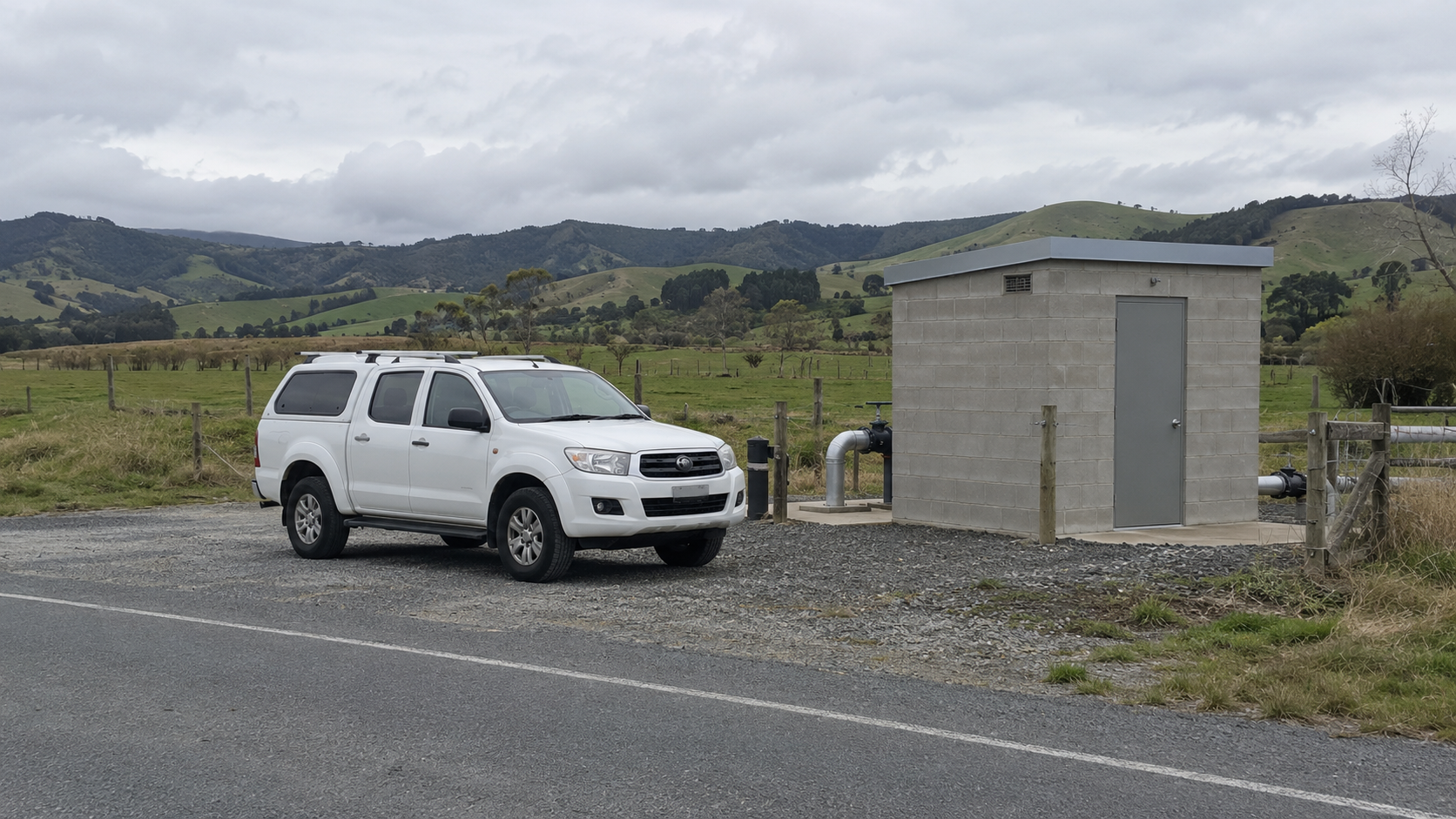
Keeping an eye on public infrastructure means crews driving out on a schedule to check things that are usually fine. When something fails between visits, the first report often comes from a resident.
Long drives, locked compounds, slips on the access road. Some sites are unsafe to visit when a reading matters most.
Manual readings can take days to be reported. By then the decision they should have informed has been made.
Crews spend hours confirming things are working, which leaves less time for the jobs that need them.
Changing a setting or turning something on or off still means sending someone out, using time and clocking up mileage.
No mains power, no mobile coverage and no budget to trench cable for a single sensor.
Why it matters now. Recent flood and drought events have tested water networks and civil defence plans, assets are ageing while budgets tighten and environmental reporting expects more frequent data.
Most teams start where the cost of not knowing is high and getting someone to site is slow or expensive.
River and stream levels, tank and reservoir levels, flow along the network, water quality and the status and control of pumps and valves.
Earlier warning of rising water or falling supply, more visibility and control over your water network, fewer routine site visits and better information for flood and drought decisions.
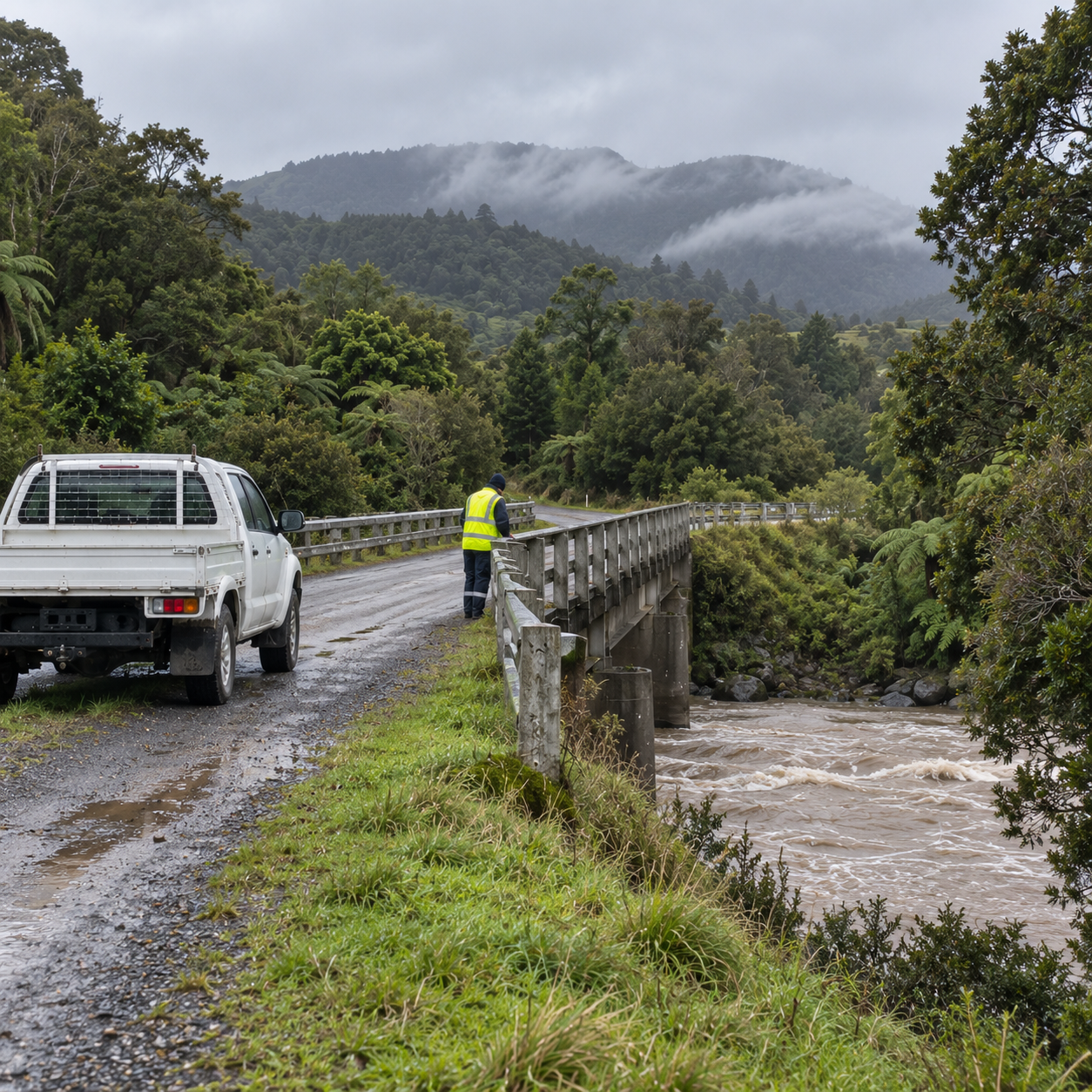
Bridges, buildings, bins, pumps and equipment at remote facilities: status, condition, location, fill level and access.
Crews go where readings show a problem and visit assets that are fine less often. Know before you go.

Site and catchment conditions across a wide area.
More points across the catchment, readings at the interval you set and better data behind consent and compliance reporting.
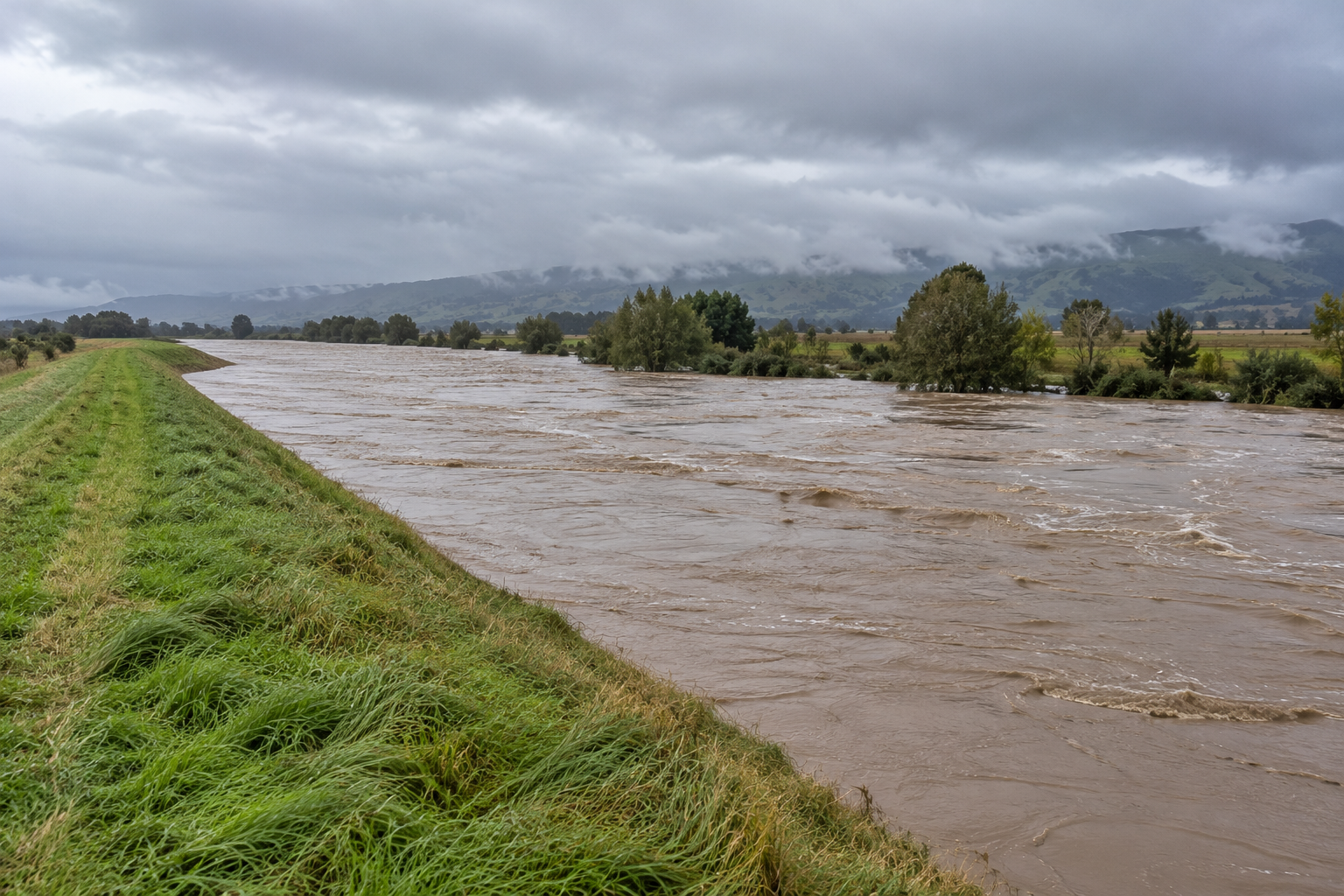
Water levels, slopes, bridges and the state of key assets before, during and after floods and storms.
Controllers see conditions at a site without putting staff at risk, and the record helps recovery planning afterwards.
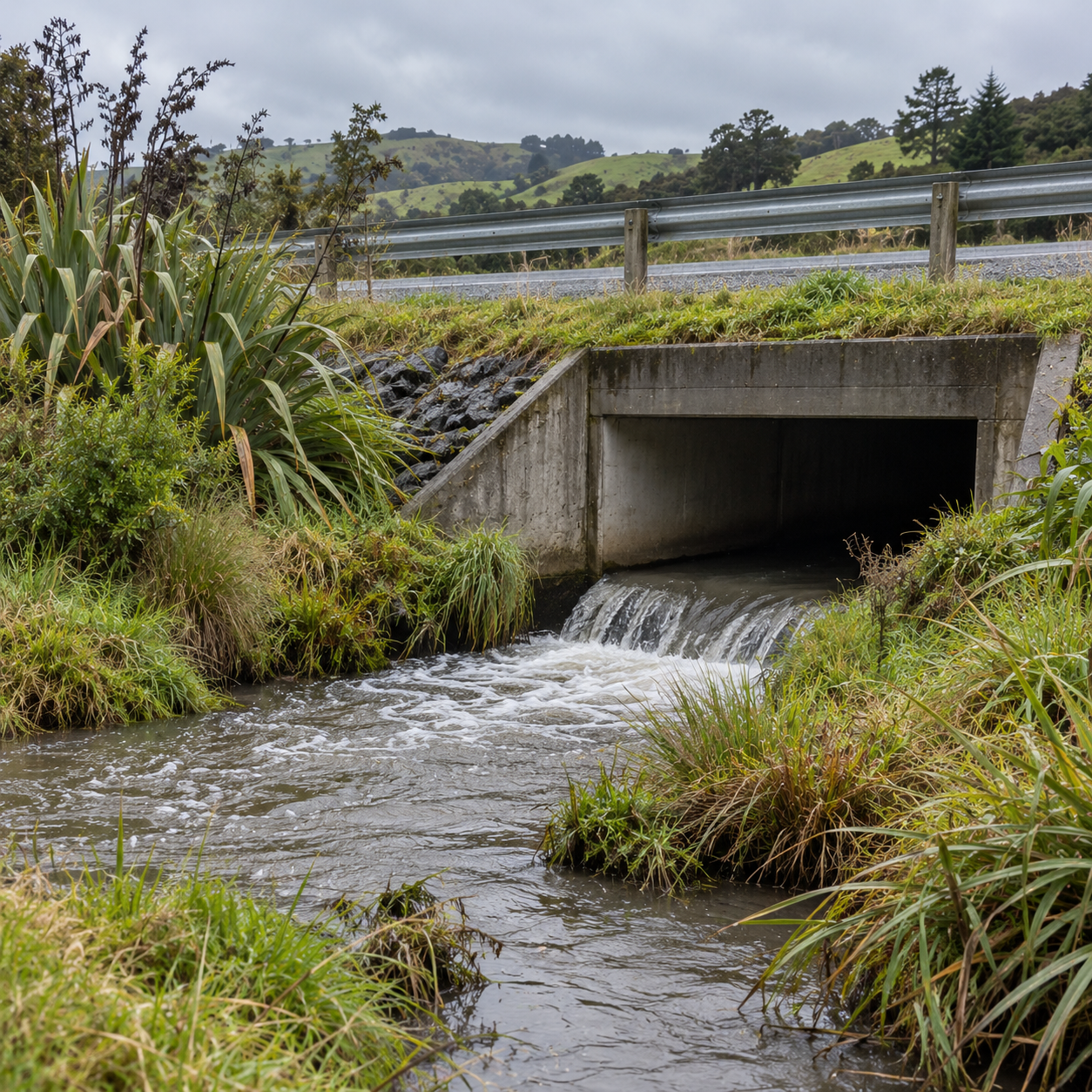
Plant and equipment status, room and building conditions, server rooms, communication hubs and critical assets across sites.
One place to check equipment across the estate, so failures are picked up before staff, patients or students notice.
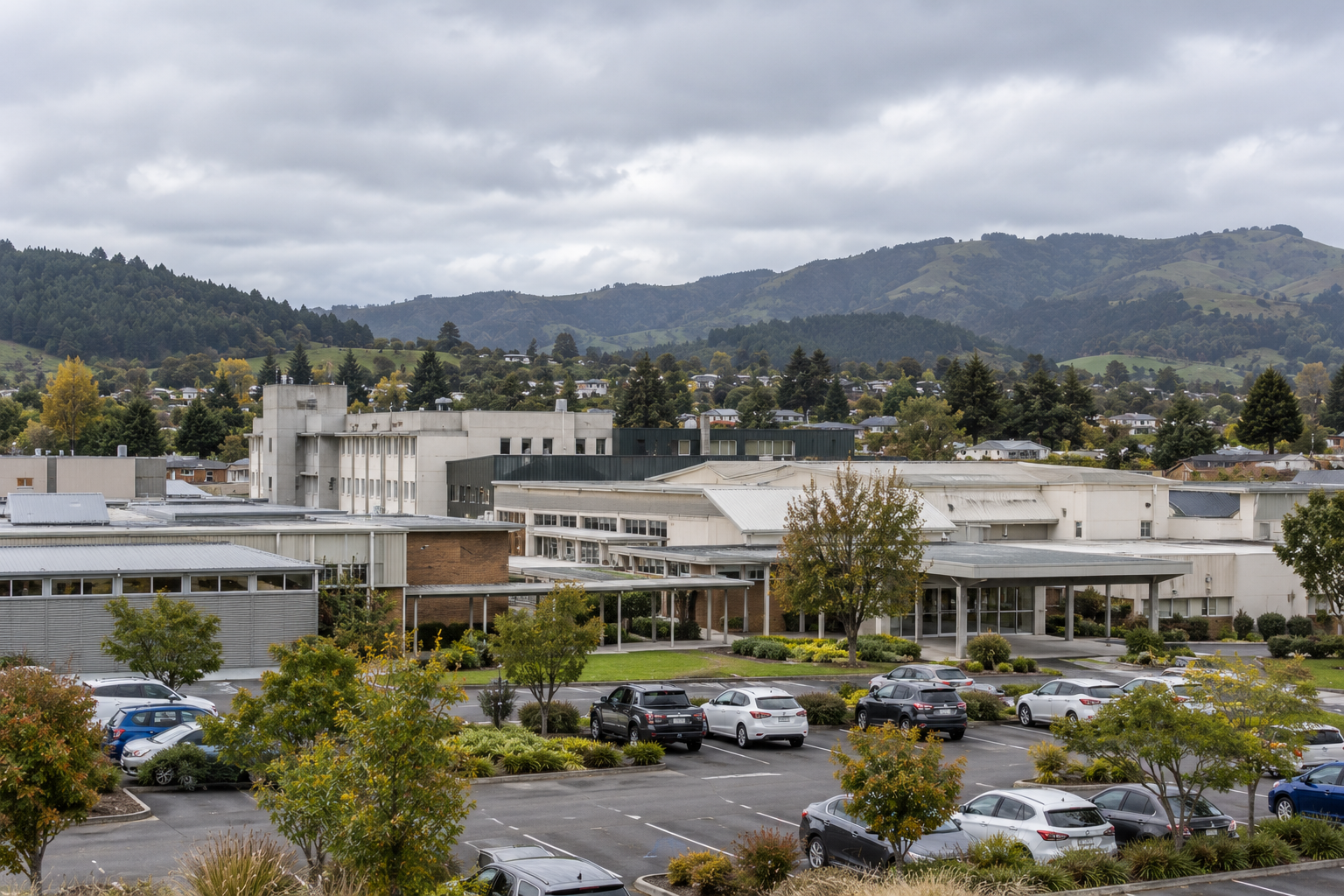
Five public sector use cases, a step by step path from assessment to rollout and a 10 question checklist to work through with your operations, asset and ICT people.
Bins, tanks and silos all raise the same question: how full is it, and when does someone need to go? GrainSure answers it for feed silos on farms.
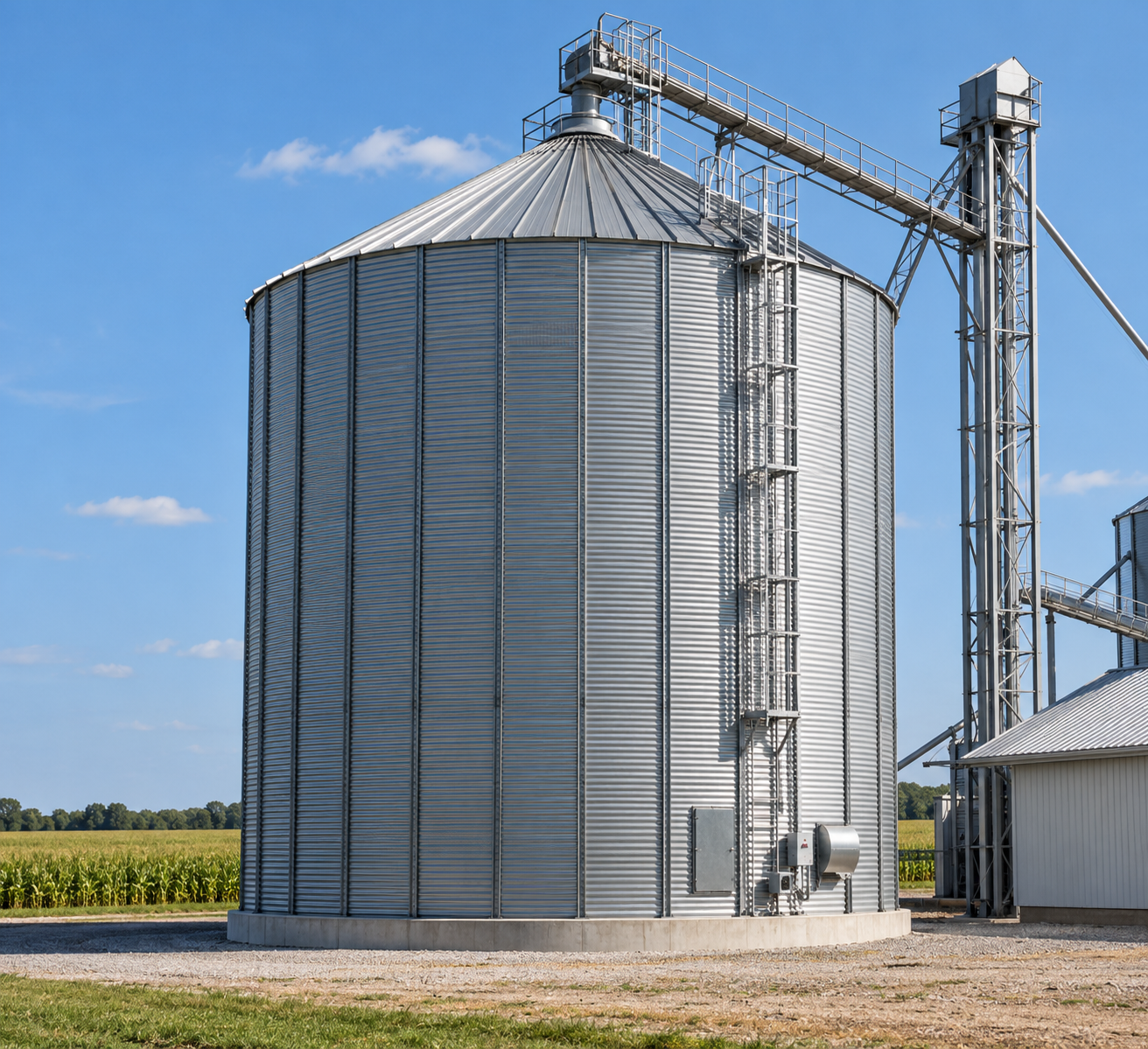
GrainSure helps farmers and feed suppliers see how much feed is in each silo and when it will need topping up. Before, that relied on manual checks, estimates and phone or email orders, which could mean feed running short, urgent deliveries or stock arriving earlier than needed. IoT Ventures provides the sensors, rural connectivity and software behind the service.
“We now have a proven commercial solution adopted by major feed suppliers and their farmer customers.”
Mark Simon, Venture Director, GrainSure
Farmers and feed suppliers had no easy way to see silo levels. Orders relied on manual checks, estimates and phone calls or emails, which could leave a farm short of feed or bring deliveries too early.
Brought together reliable sensing, rural connectivity and software that turns measurements into feed information, building on existing IoT Ventures technology. The two teams keep improving accuracy and features using results from the field.
A proven commercial service used by major feed suppliers and their farmers. Shared visibility of feed levels, use and estimated days remaining supports more confident ordering and delivery planning, and GrainSure is now expanding into new markets.
“Building on their existing IP and AWS-based platform has helped us move faster from field trials to a commercial service.”
IoT Ventures supplies and supports the sensors, the wireless network, the software and the connections into the systems you already run.
Battery powered devices on the asset measure level, flow, condition, location or equipment status, or turn things on and off.
Readings travel long distances to a gateway, so sensors work with no mobile coverage, Wi-Fi or mains power.
Built on AWS and developed by IoT Ventures, LXC gives your team the data, dashboards and alerts they need, when and how they need them.
LXC runs on core AWS services. IoT Ventures adds the devices, the wireless network and the software your teams use, so ICT is assessing well known cloud infrastructure rather than another niche platform.
Request a platform briefing →Built with managed AWS services such as AWS IoT Core, Lambda, S3, DynamoDB and API Gateway.
Data is available through APIs for BI tools, asset management systems, dashboards and existing workflows.
Begin with one use case, then add more sites or use cases on the same platform.
And on top, the LXC platform
Sensors, wireless network, software and integration from one team.
Every device is authenticated and data is encrypted end to end.
LXC learns what normal is for each asset, and your team sets the alert rules.
That keeps the business case small and the result easy to judge. As you go, you can add new solutions, assets and device types on the same system.
A working session to agree the problem, the sites and how you will judge the pilot.
Book your assessment →IoT Ventures helps your team define the problem and the end to end solution, select the starter devices, identify any adaptations and plan coverage. Together you agree what you are monitoring, the data you receive, how it is presented and the alert rules.
A starter kit of gateways and devices that connect to your own preconfigured instance of LXC as soon as they are switched on.
More sites added, real data analysed, scoring and alerts tuned and the platform connected to the systems you use.
New sensor types, assets and solutions on the same platform.
A second use case doesn't need a second platform. It goes onto the same system as the first.
A monitoring project usually involves operations, ICT and whoever signs off the budget. Here's what each tends to ask.
Yes. Sensors send readings over long range, low power wireless, so they work where there is no mobile coverage, Wi-Fi or mains power.
It varies from project to project. Most organisations already work with contractors who do field installation, and IoT Ventures can train them. If not, IoT Ventures can give you access to contractors. For a pilot, gateways and devices arrive preconfigured and connect as soon as they are switched on.
Outdoor sensors are battery powered with solar recharging and typically last more than five years without a battery change. Indoor device batteries last from one to ten years, depending on the device. Many factors affect power use, and LXC has a range of options for conserving energy.
LXC runs on core AWS services, in your existing AWS account or a new one IoT Ventures sets up for you. IoT Ventures looks after the network, gateways, devices and firmware.
All customer data is stored securely in AWS data centres in the Australia and New Zealand region, in line with New Zealand standards for data stewardship and security. LXC uses Amazon Cognito to manage identity and access, and it can integrate with your enterprise identity and single sign on systems. Each device is also authenticated using the LoRaWAN® standard, with application data encrypted end to end.
Yes. Data is available through APIs and can feed BI tools, asset management systems, dashboards and existing workflows.
Start with one problem where earlier data improves response, prioritisation or monitoring coverage. The assessment sets the pilot scope and the success measures you will judge it by, so the business case stays small and the result is easy to see.
The first step is a single assessment session. From there, IoT Ventures designs the pilot with you over a couple of weeks. The LXC platform, including hardware, software and network, works end to end out of the box, so you can start seeing data quickly. Exact timing depends on how much customisation or configuration your project needs.
More sites are added, real data is analysed, scoring and alerts are tuned and the platform is connected to the systems your teams already use. The IoT Ventures team stays involved after go live as much or as little as you like, helping you analyse and understand your data and adjusting devices, coverage and alerts as you learn.
In one session we'll go through: